 Looking into the recent past to see what people thought of the future, well, isn’t that half of the fun of visiting Tomorrowland? A recent study sampled 1,222 people between the ages of 18-29 to understand how they perceive the news, and where they see themselves getting the news in the future. The study was published in 2008, meaning data was likely collected around 2007.
Five dimensions of how the participants perceive news and its utility emerged. While they felt it 1) satisfies civic and personal needs, and was 2) socially useful (it gave them something to talk about it, they had more negative perceptions of it. They find the news 3) time and effort consuming, 4) biased, and 5) devoid of fun.
The participants reported they planned on getting less of their news from social media sites in the future. The view from this vantage point shows that this is wrong to the Nth degree, but perhaps they perceived it as more of a fad (and they survey did not take Twitter into account, which for many of us provides a top source of articles). They anticipated getting more of their news from print and television than they do now, which offers some ray of hope for traditional modes of journalism.
I am not so sure attitudes have changed that radically in the 3 years since the data in this study was collected. College students still see themselves seeking out news in the same manner as their parents and other adults that they have seen all of their lives. I wonder when they will consciously make the decision to switch the means by which they get the news, and what would motivate them to do so… or will their current habits bore into their psyches, and they won’t make the changes they anticipate? Tomorrow never knows.
Lewis, S.C. (2008). Where young adults intend to get news in five years. Newspaper Research Journal, 29, 36-52.

 Quan-Haase examined a wide-range of studies involving North American college and middle/high school students regarding their instant messaging habits, with whom they use IM to communicate, and the effects of IM on their social and academic life. Quan-Haase made the following baseline observations: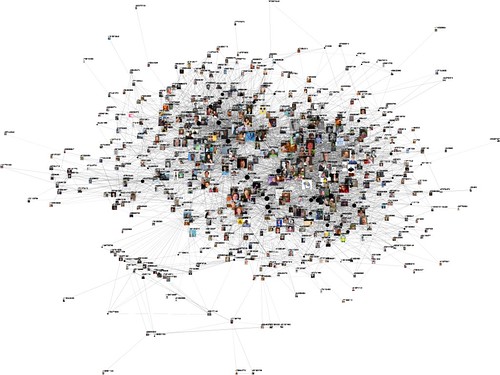
 Maintenance strategies say a lot about a relationship as well. A commitment to a future together brings about an increased amount of openness, cooperativeness, joint-problem solving, and assurances, as more importance is placed on maintaining the relationship in hopes of making it last. But no matter the case, as the study and I both suggest, keep withdrawal and verbal attacks to a minimum. No matter the certainty or satisfaction level, all participants felt these to be harmful and unhelpful coping strategies.

 In a study that addressed the problems that arise in the e-mail strategies of parent-teacher communication, Thompson conducted 60 interviews with 30 parents and 30 teachers, as well analyzed a total of 188 e-mails (from 27 teachers) and 153 e-mails (from 26 parents).